


Things I Learned from My Startup Attorney and from “Entrepreneurship in an AI‑Driven World”
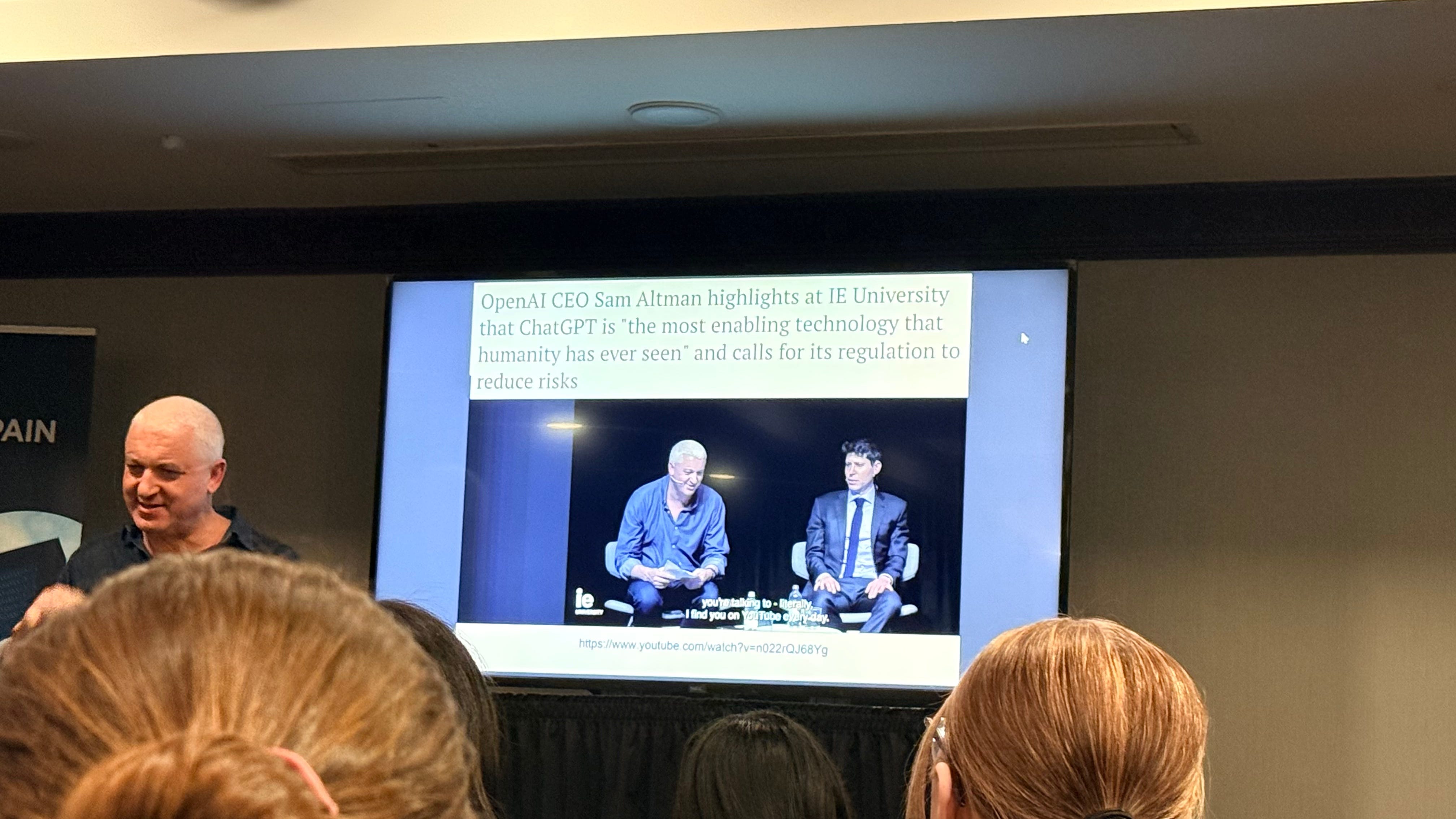
The image is powerful because it reinforces a simple truth: AI needs thoughtful regulation to reduce risk and that’s exactly the space we operate in.
In the early days of a startup, one question often creates confusion: “Who actually built the product?” Many people assume the answer is simple. Whoever wrote the code built the product. But in the real world of startups, the story is very different.
The Two Types of Builders
There are usually two types of builders in every startup.
The Vision Builder
The Execution Builder
Both are important. But their roles are very different. The vision builder imagines the product, defines the architecture, and understands the problem the product solves. The execution builder converts that vision into working software. The startup world usually calls the first person the founder.
Story 1: The Architect and the Engineers
Imagine an architect designing a skyscraper. The architect studies the land, imagines the structure, and draws detailed plans for how the building should stand. They decide how many floors it will have, how the foundation must support the weight, and how the building will serve the people who will use it.
But the architect does not lay every brick. A construction company builds the structure using the architect’s design. Years later, when people talk about the building, they say: “This building was designed by that architect.” They do not say the construction workers invented the building.
Both contributed, but the creation belonged to the architect. Startups work the same way.
Story 2: The Restaurant Founder
A chef dreams of creating a new restaurant. He designs the menu, experiments with flavors, and decides what kind of experience customers will have. Later he hires cooks and kitchen staff to prepare the dishes every day. The cooks prepare the meals.
But the restaurant still belongs to the chef who created the concept. The chef built the restaurant as an idea. The staff execute the operations. This is exactly how many technology companies begin.
Story 3: The Startup Founder and the Development Team
Now imagine a founder who sees a gap in the market. He understands a complicated process that people struggle with. He studies it for months, designs a structured workflow, and outlines how software could automate and simplify the process.
He writes the product vision:
what problems the platform solves
how users interact with the system
what the algorithms should evaluate
how the interface should guide decisions
Then he hires a development company to implement the system. The developers write the code. But the idea, architecture, and logic came from the founder.
In this situation: The founder is the product architect. The developers are the execution team. The company owns the product because the founder created the vision.
Real-World Founders: Speed vs Depth
I once heard about two very different founders: one who spent just 90 days building something and sold the business for billions, and another who quietly spent years in the trenches, building with an intern, studying the market deeply, and refining the product vision before leading an execution team to bring it to life. The first story dazzles with speed and outcome, but the second reminds us what real product building often looks like: long-term learning, market immersion, and a clear vision guiding every technical decision. That second founder didn’t just write code, they understood users, shaped product logic, and orchestrated execution. Together, these journeys show that while rapid wins happen, it’s usually vision, depth, and disciplined execution over time that creates enduring value.
Why This Difference Matters
This distinction is not just philosophical. It is also legal and financial. In the startup ecosystem, ownership usually belongs to the people who:
created the idea
designed the product
took the business risk
committed to building the company long term
Developers hired to build the software are normally service providers, not founders. They are paid for their work. This is similar to how a construction company builds a house but does not own the house.
The Importance of Intellectual Property
Whenever an external development team builds software for a startup, one thing becomes extremely important. The startup must ensure that all intellectual property belongs to the company. This is usually done through an IP assignment agreement, where the developers confirm that all code they produce becomes the property of the startup.
Without this step, confusion can arise later about who actually owns the product. Investors care deeply about this. Before investing, they usually verify that the company owns its technology completely.
Why Investors Focus on Founders
Investors do not fund software. They fund founders who understand the problem deeply. A founder who designed the system, studied the market, and built the product logic shows something more valuable than coding ability. They show ownership of the vision.
The execution team can change. Developers can be replaced. Vendors can change. But the founder who understands the product’s purpose remains the driving force behind the company.
The Real Meaning of “Building the Product”
So when people say a founder “built the product,” it does not always mean they wrote every line of code. It means they:
understood the problem
designed the solution
structured the system
guided the development process
In other words, they built the blueprint. Others may help construct it, but the blueprint defines what the product becomes. And in the world of startups, the blueprint is often the most valuable creation of all.